Wood-burning stoves installed across the Costa del Sol
Wood-burning stoves supplied and installed across the Costa del Sol. Outputs from 5 kW to 13 kW, twin-wall flue and chimney work, hearth pads and three-year EnviroCare warranty.
5 kW to 13 kW outputsTwin-wall flue installsFree site surveyThree-year warranty
Costa del Sol winters are short but real. From late November into February evening temperatures drop into single figures and the tiled-floor villas that work so well in July start to feel cold by about half five. A wood burner gives focused, radiant warmth in the room you actually sit in, without firing up whole-home heating for one cold evening. We supply and install wood-burning stoves across the coast from Nerja to Gibraltar, with output options from 5 kW for a small lounge up to 13 kW for an open-plan villa. EnviroCare has been fitting stoves, twin-wall flues and chimney linings out of Mijas since 1996, and we handle the whole job from survey to commissioning.
What size wood burner suits which room
Output is the first decision and it depends on the room volume, how well the property holds heat and how often the stove will be lit. A small living room in a townhouse needs much less output than an open-plan villa lounge with high ceilings and tile floors. Oversized stoves run too hot and the owner ends up cracking a window. Undersized stoves never reach a comfortable evening temperature. The range we install covers most Spanish living rooms.
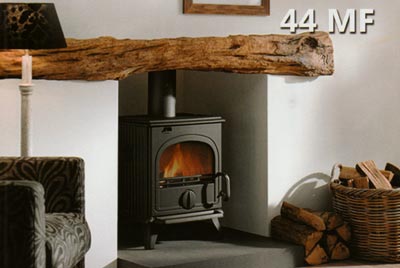
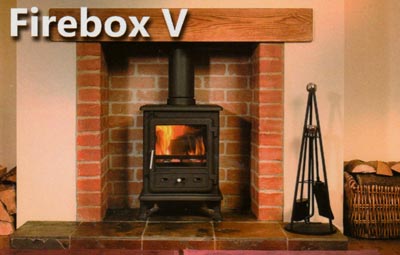
5 kW: snug living rooms up to about 25 square metres, the 44 MF and Firebox V models
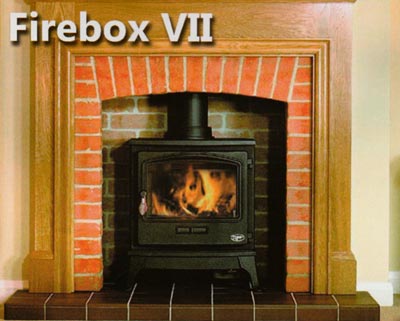
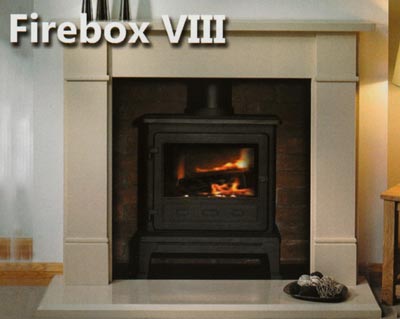
6 kW to 8.4 kW: standard lounges and dining areas, the Firebox VII and Firebox VIII
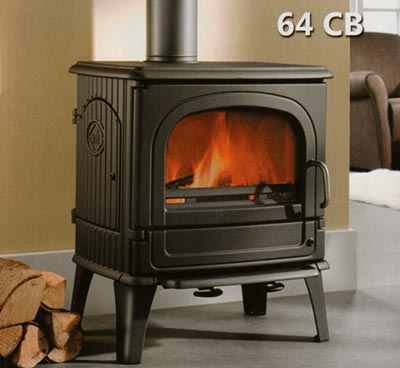
9 kW: large lounges and modest open-plan villa rooms, the 64 CB
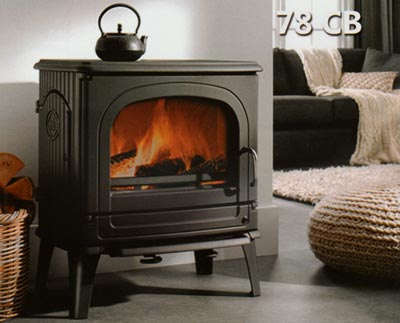
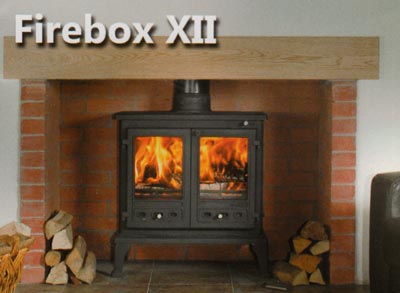
11 kW to 13 kW: open-plan villa lounges with high ceilings, the 78 CB and Firebox XII
Flue and hearth work in a Spanish villa
The flue is the part that decides whether a wood burner runs cleanly or coats the inside of the chimney with creosote. Many Spanish villas have an existing open fireplace and chimney void. We slip a stainless twin-wall flue liner down the existing brick chimney, seal it into the stove pipe at the bottom and cap it at the top. Where there is no existing chimney, we run a twin-wall insulated flue up through the ceiling and the roof, with proper clearance from any combustible timber. Every stove also sits on a hearth pad that protects the floor from spark drop and the heat of the cast-iron base.
Stainless twin-wall flue liner for retrofits into an existing chimney
Twin-wall insulated flue for new builds and rooms with no chimney
Hearth pad protecting the floor under and in front of the stove
Minimum 60 cm clearance from combustible timber, joinery and curtains
What burns cleanly on the Costa del Sol
Wood-burner efficiency lives and dies on the moisture content of the wood. Anything above 20 percent moisture wastes energy boiling water off and smokes the flue up. Locally cut olive, almond and holm oak (encina) are the typical Spanish hardwoods and they burn slow, clean and hot once dry. Pine kindles fast and is fine for getting the stove up to temperature, but on its own it burns through too fast and leaves more soot in the flue. Kiln-dried hardwood logs from a wood merchant give the most predictable result and store easily under a covered woodpile. Most owners we work with run a mix: a few kilos of pine for the start, then hardwood for the evening.
Olive, almond and holm oak (encina) for slow, hot, clean burns
Pine for kindling and quick warm-ups, not as the main fuel
Kiln-dried logs under 20 percent moisture for predictable burns
Damp wood and softwood-only loads cause creosote and flue blockages
Wood burner vs gas fire vs heat pump
A wood burner is the sensible option when the owner wants the look of a real flame, has space to store wood and is happy to set and light the stove each evening. A gas fire (insert, free-standing stove or radiator) gives almost the same focal warmth on a button press, with no firewood, no ash and a sealed flue, but the boletin de gas paperwork applies and the running fuel is butane, propane or piped natural gas. A heat-pump air conditioning unit in reverse-cycle heating mode warms the whole room from cold faster than either fire and runs on electricity alone, but does not give the visual focus of a flame. Most coastal villas we work with end up with a combination: a stove or gas fire in the main living room for evening atmosphere, and reverse-cycle air conditioning in bedrooms and second reception rooms for whole-home background warmth.
Spanish regulations and chimney certification
Solid-fuel stoves fall under Spanish thermal installation rules (RITE) when fitted as part of a permanent heating installation. New stoves sold in the EU have to meet Ecodesign 2022 efficiency and emissions limits, so the models we supply already pass that at manufacture. The work that matters at install time is the flue clearance check, the room ventilation grille and the chimney sweep schedule. Annual chimney sweeps clear soot and creosote from the flue, and an annual stove service keeps door seals, glass gaskets and air-flow controls in working order.
Survey, quote and installation
From first call to working system
Step 1
Site survey
An engineer visits the property to check the room, existing fireplace or chimney, ceiling and roof structure for the flue route, and the floor for the hearth pad. Survey appointments are free across the Costa del Sol.
Step 2
Flue route and stove pick
We agree the flue route, down an existing chimney or up through ceiling and roof, match the stove output to the room and recommend a model from the range we install.
Step 3
Written quote
Quote covers the stove, the flue liner or twin-wall flue, the hearth pad, the roof or chimney cap, the ventilation grille and the labour. No deposit until you accept it.
Step 4
Installation
Most installs run one to two days. The flue work is the longest part. We protect floors and finishes through the build and remove all packaging and waste on completion.
Step 5
Commissioning and handover
We fire the stove for the first time, check the flue draws cleanly, walk through the air-control setup, kindling routine and shutdown, and book the first chimney sweep into the diary. Three-year parts and labour warranty starts that day.
Why EnviroCare
Why local experience matters
Trading since 1996
Close to thirty years on the Costa del Sol fitting heating systems for British and European homeowners across the coast from Nerja to Gibraltar.
Flue and stove specialists
Twin-wall flue, chimney lining, roof penetration and hearth work are part of the same job and we handle the whole lot in one visit.
Multilingual team
English, Spanish and Dutch across the office and field staff. Quotes, invoices and warranty paperwork issued in your preferred language.
Three-year parts and labour
Every new install carries a three-year EnviroCare warranty on parts and labour, on top of the manufacturer warranty on the stove itself.
What size wood burner do I need for my Spanish villa?
Output should match the room volume and how well the property holds heat. A small living room of about 25 square metres takes a 5 kW stove. A standard 35 to 45 square metre lounge usually wants 6 kW to 8.4 kW. Open-plan villa lounges with high ceilings and tile floors typically need 9 kW to 13 kW. Oversize the stove and the room overheats, undersize it and the stove never settles into a comfortable evening burn. We confirm the output on the site survey.
Can I use my existing chimney for a wood burner in Spain?
Most older villas with an open fireplace can take a stove with a stainless twin-wall liner slipped down the existing chimney void. The liner seals into the stove flue at the bottom and caps at the top, which gives a clean, fast-drawing flue and stops smoke leaking into the chimney brickwork. Where there is no existing chimney, we run a twin-wall insulated flue up through the ceiling and the roof.
What is the best wood to burn on a Costa del Sol stove?
Olive, almond and holm oak (encina) are the typical Spanish hardwoods and they burn slow, hot and clean once properly dried. Kiln-dried logs at under 20 percent moisture content give the most predictable burns. Pine is fine for kindling and getting the stove up to temperature, but as a sole fuel it burns through too fast and leaves more soot in the flue.
Do wood burners need a certificate in Spain?
Solid-fuel stoves fitted as part of a permanent heating installation fall under Spanish thermal installation rules (RITE). The stove itself has to meet Ecodesign 2022 efficiency and emissions limits, and the new models we supply already meet that at manufacture.
How often does a wood burner need servicing?
Annual chimney sweep plus annual stove service is the standard schedule for a stove in regular winter use. The sweep clears soot and creosote from the flue, and the service checks door seals, glass gaskets, air controls and the baffle plate. Heavy users burning more than two tonnes of wood a season should sweep mid-season as well.
Wood burner or gas fire: which is better for a Spanish home?
A wood burner suits owners who want a real flame, have space to store wood and are happy to light the stove each evening. A gas fire gives the same focal warmth on a button press with no firewood, no ash and a sealed flue, but the boletin de gas paperwork applies and the running fuel is butane, propane or piped natural gas. Most coastal villas with a stove or fire also run reverse-cycle air conditioning for whole-home background warmth on the coldest evenings.
Need help with wood burners?
Tell us what you need, where the property is and whether the work is urgent.