Annual maintenance contracts for Costa del Sol homes
Annual maintenance contracts for air conditioning, pool systems, hot water, gas appliances, electrical and guttering across the Costa del Sol. F-Gas registered, trading since 1996.
An air conditioning unit that has not been serviced in three summers tends to fail during the August heatwave, the worst possible week to find an engineer on the coast. Gutters that have not been cleared since spring overflow during the first October storm, and water tracks down the render. A water heater scaled up with limescale stops giving full hot water on a Sunday morning when the house is full of guests. None of these are bad luck. They are the predictable result of skipping the annual service. We run maintenance contracts across air conditioning, pool systems, hot water, gas appliances, electrical and guttering for homes from Nerja to Gibraltar, on the same equipment we install.
What an annual maintenance contract covers
Most homes on the Costa del Sol need five separate services across the year, and bundling them into one annual contract takes the calendar work off the owner. Our standard contract covers air conditioning service before summer, pool equipment prep before the swimming season, an annual flue and combustion check on gas water heaters and gas fires, an electrical safety check on the consumer unit and earthing, and a guttering clear before the autumn rains. Owners pick the systems they want covered. Apartments tend to need air conditioning and a water-heater check. Villas with a pool, gas fire and full guttering run a fuller contract. We service equipment across all the major brands we install, including Toshiba, Fujitsu, Mitsubishi, Panasonic, Vaillant, Junkers and Ariston.
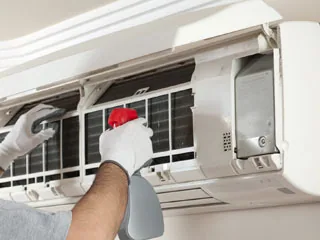
Air conditioning: filters, gas pressure, drain lines, coil clean
Pool: heat pump, pump, filter, electrical bond
Hot water: anode rod, descale, thermostat, expansion vessel
Gas appliances: flue, combustion, ventilation, gas-tightness test
Electrical: consumer unit, RCD test, earth bond, exterior sockets
Guttering: clear runs, downpipes, joint check before October
Seasonal calendar for the Costa del Sol
The coast runs on a different rhythm to the UK or northern Europe and that affects when each system needs attention. Air conditioning service should land in March or April, before the first 30-degree week. Pool equipment opens in late April or early May, with a heat-pump check the same visit. Water heater and gas fire servicing fits the quieter shoulder months, May or October. Guttering needs clearing in late September before the autumn storm season hits. An annual electrical check fits any time, but most owners combine it with another visit to save a callout. Booking the AC service in February is the single most useful thing an owner can do before the summer.
Servicing protects your manufacturer warranty
Most major manufacturers, including Toshiba, Fujitsu, Mitsubishi, Panasonic, Vaillant and Junkers, require an annual service from a registered installer to keep the warranty in force. Skipping a year, or having the work done by an unregistered fitter, voids the cover on parts and labour. We have seen this on more than one occasion: a five-year-old compressor fails in year four, the manufacturer refuses the warranty claim because there is no service record, and the owner pays the full cost of a new unit. The annual contract keeps the paperwork on file and the warranty alive. Service records stay on our system for the working life of the equipment, so a buyer or a new managing agent can pick up the file without starting from zero.
What we check on each system
The annual visit follows a fixed checklist. On air conditioning, that is filter wash or replacement, evaporator and condenser coil clean, gas-pressure check on the refrigerant loop, drain-line flush, electrical consumption reading, and a noise and vibration check on the fan and compressor. On pool equipment, we check the heat pump compressor and fan, water flow through the heat exchanger, pump bearings, filter media (sand, glass or cartridge), the bonding wire and the timer. On water heaters, we check the sacrificial anode, descale where the limescale build-up is heavy, test the thermostat and the safety valve, and inspect the expansion vessel. On gas appliances, we run a flue draught test, combustion analysis, and a gas-tightness test on the supply. On electrical, we test the RCD trip times, check the earth bond and inspect outdoor sockets and the consumer unit for damp damage.
Response time and emergency callouts
Contract holders get priority on the callout list. One-off callouts from non-contract holders are slotted in around scheduled work, which in July and August can mean a wait of several days. The annual cost of the contract sits well below a single emergency callout in peak season, which is the maths most owners run before signing on. The team carries the most-installed spares (filters, capacitors, contactors, common control boards) on the van so most faults clear on the first visit.
How a maintenance contract works
We start with a free property audit. We walk the home, list every system installed, note the make, model and age, and write a contract scope with pricing for the systems the owner wants covered. Once signed, scheduled visits go on the calendar for the year. The office calls a week in advance to confirm a date, the engineer attends, the work is logged, and the report is sent through. A short annual review at the end of the year catches anything that needs attention before the next contract cycle.
EnviroCare Gold Club membership
The Gold Club is the contract membership programme EnviroCare has run since the 1990s for property owners who want their annual servicing handled without the owner having to chase dates. Members get a structured, calendar-driven service relationship instead of having to remember when each system is due an annual visit.
Regular call from the service team to book the annual visit at a time that suits you
Scheduling flexibility on the visit date and time, fitted around your travel and rental calendar
Discounts on any additional work the engineer recommends during the visit
Priority callout slots ahead of non-member work, so engineer appointments come through faster when something breaks
Survey, quote and installation
From first call to working system
Step 1
Initial property audit
An engineer visits the property to list every system installed, note the age, the make and the model, and identify what the maintenance contract should cover. Audits are free across the Costa del Sol.
Step 2
Contract scope agreed
We send a written contract listing the systems covered, the scheduled visits, the cost, what is included as standard and what falls under chargeable extras. Nothing is signed until the owner is happy with the scope.
Step 3
Scheduled service visits
The office books each visit at the right time of year. A reminder call goes out the week before. The engineer attends, runs the checklist, replaces anything that is failing and logs the work. A copy of the report is emailed across the same week.
Step 4
Callout response
If a system stops working between visits, contract holders go to the front of the callout list. The team carries the most-needed spares on the van.
Step 5
Annual review
At the end of the contract year we summarise the work done, flag anything ageing out, and price replacements where they make sense. The next year's contract rolls on with any changes the owner wants.
Why EnviroCare
Why local experience matters
Trading since 1996
Close to thirty years on the Costa del Sol. Some of the customers on contract today first signed on in the late 1990s, and we still service the same villa, sometimes with two generations of equipment swapped out underneath.
Multilingual team
English, Spanish and Dutch across the office and the field engineers. Service reports, contract paperwork and warranty registrations come through in your preferred language.
F-Gas registered for refrigerant work
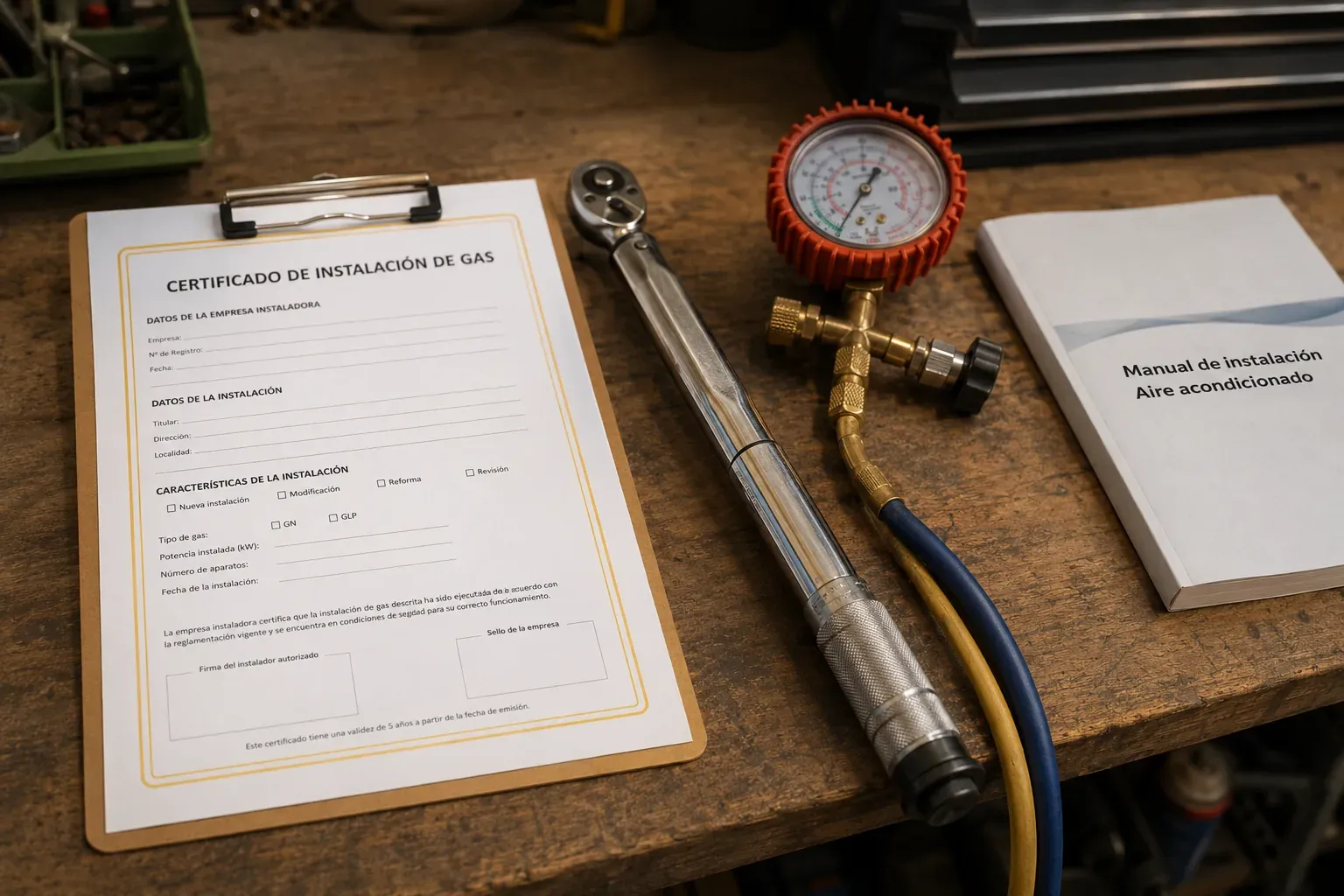
Refrigerant work needs current F-Gas certification by Spanish law. Our engineers hold it, the paperwork goes on file, and the manufacturer warranty cover stays valid.
Customers from the 1990s still on contracts
The longest-running customer files on our system stretch back to the company's first years on the coast. The same engineer team who service those properties today were trained on the equipment when it was new.
How often should air conditioning be serviced in Spain?
Once a year, ideally in March or April before the first 30-degree week. The Costa del Sol runs harder on air conditioning than most of Europe because the units cool through summer and heat through winter, so the annual service catches dirt build-up, gas-pressure drops and worn capacitors before they fail under load.
What does an EnviroCare service contract cover?
A standard contract covers the scheduled annual service on each system the owner has chosen, the service report and warranty paperwork, and priority response on the callout list. Owners on the Gold Club membership get scheduling flexibility, discounted additional work and faster engineer callouts on top.
Can EnviroCare service a system that was installed by someone else?
Yes. We service equipment regardless of who installed it. The annual visit takes a little longer the first time because we log the make, model and history. From the second year onwards, the visit runs at the normal pace. We do not charge extra for taking on third-party kit.
How much does an emergency callout cost?
Contract holders pay less per callout than non-contract owners and go to the front of the queue, which in July and August matters more than the saving on the call itself.
Should I prioritise summer or winter servicing?
Air conditioning is the priority on the Costa del Sol because it works hardest from May through September. Schedule it in March or April. Heating systems, gas fires and pool heat pumps fit either side of the AC visit. Guttering needs to be done in late September before the first storms. Booking everything as one contract takes the planning out of it.
Do landlords need a service record on rental properties?
In practice, every long-term tenant or short-let guest who reports a broken air conditioning unit in August expects a same-week fix. The contract makes that achievable.
What happens to my warranty if I skip the annual service?
Most manufacturers, including Toshiba, Fujitsu, Mitsubishi, Panasonic, Vaillant and Junkers, require an annual service from a registered installer to honour the warranty. Without a service record, a parts and labour claim in year three or four normally gets refused and the owner pays the full repair or replacement cost. The annual contract is cheaper than one rejected warranty claim.
Can the contract cover a property I rent out short-term?
Yes, and it is the situation that benefits most from a contract. Holiday-let owners are usually not on the property when something fails, and a guest with a hot apartment is a refund risk. Contract holders get priority on the callout list and the office can deal with the guest directly while the owner is offshore.
Need help with maintenance?
Tell us what you need, where the property is and whether the work is urgent.